🎧
RandomVoiceCall

Latest Articles

Safety tips, guides & updates from RandomVoiceCall

Why Some Conversations With Strangers Last Hours (And Others End in Seconds)

breaks down why some random voice call conversations stretch into hours while others end within seconds β€” from how the first ten seconds set the tone, to how energy mismatches and handled silence shape a call's length. It reassures readers that a short call isn't a failure, just a different, equally valid outcome.

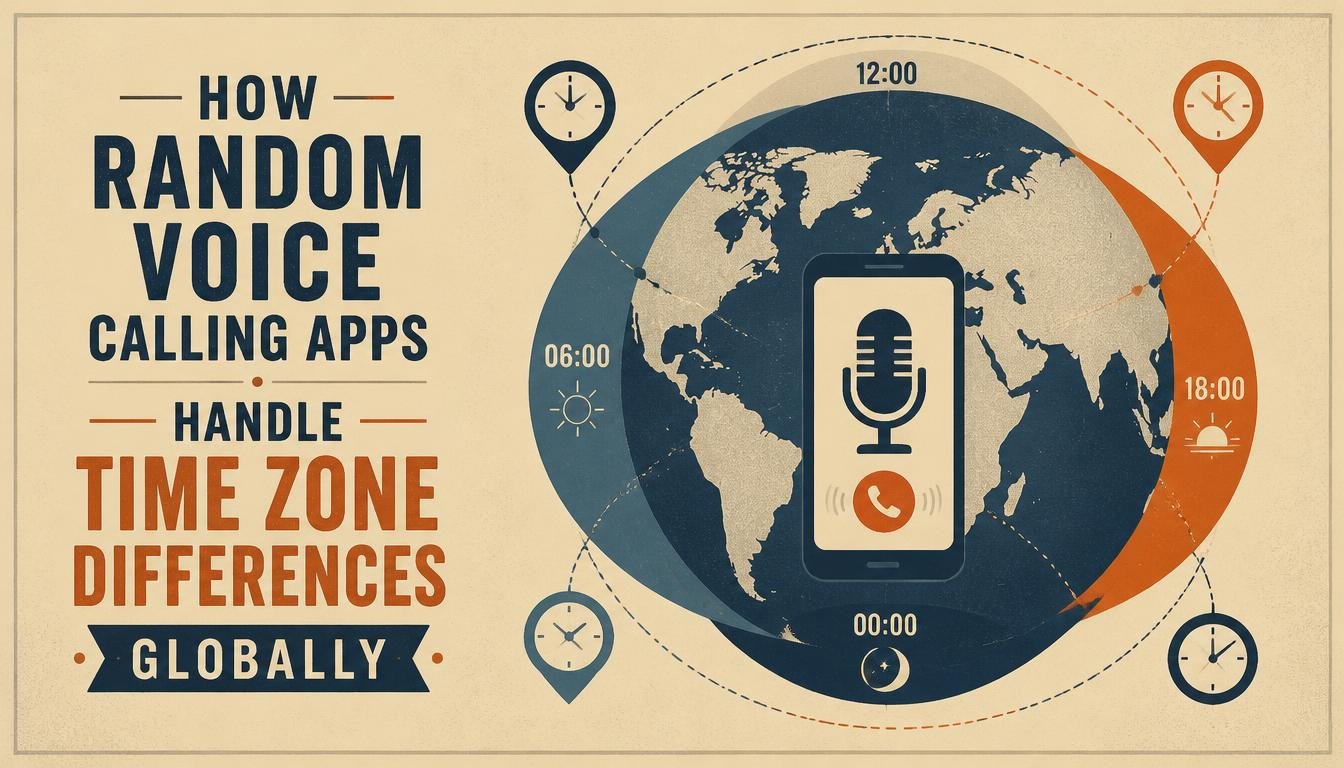
How Random Voice Calling Apps Handle Time Zone Differences Globally

how random voice calling connects people across every time zone at once, often pairing someone's late night with a stranger's early morning. It covers how energy mismatches show up in conversation and why night owls frequently end up matched with each other globally.

The Rise of Voice-First Apps in a Video-Obsessed World

why voice-first apps have quietly grown even as video dominated the internet β€” driven by video fatigue, the pressure of constant visibility, and voice's ability to fit into everyday life. It draws a parallel to the rise of podcasts as proof the appetite for voice-only content never went away.

What Accents and Tone Reveal During a Random Voice Call

how much information accent and tone convey on a random voice call, from a person's background to their real emotional state beneath their words. It also addresses why patience with unfamiliar accents matters, and how tone can build trust faster than words alone.

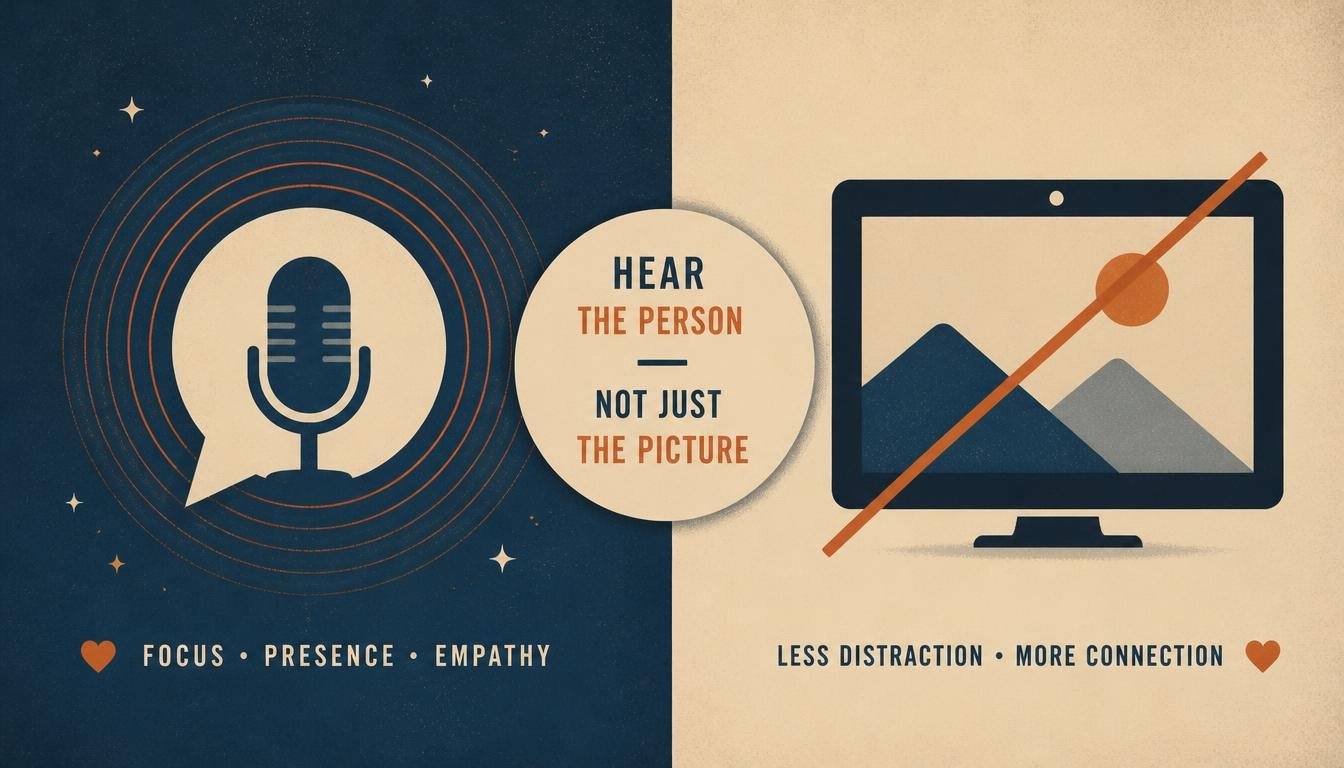
Why Voice-Only Chat Might Be Better Than Video Chat for Connection

argues that voice-only chat can build deeper connection than video calls by removing the self-consciousness and performance pressure that come with being watched. It explains how the absence of visual cues actually sharpens listening and makes vulnerability easier.

How Random Voice Calls Help Introverts Practice Social Skills

why random voice calls make a comfortable practice space for introverts to build social skills β€” removing eye contact pressure, lowering the stakes of rejection, and making it easier to start conversations. It frames these calls as a stepping stone rather than a replacement for real-world interaction.

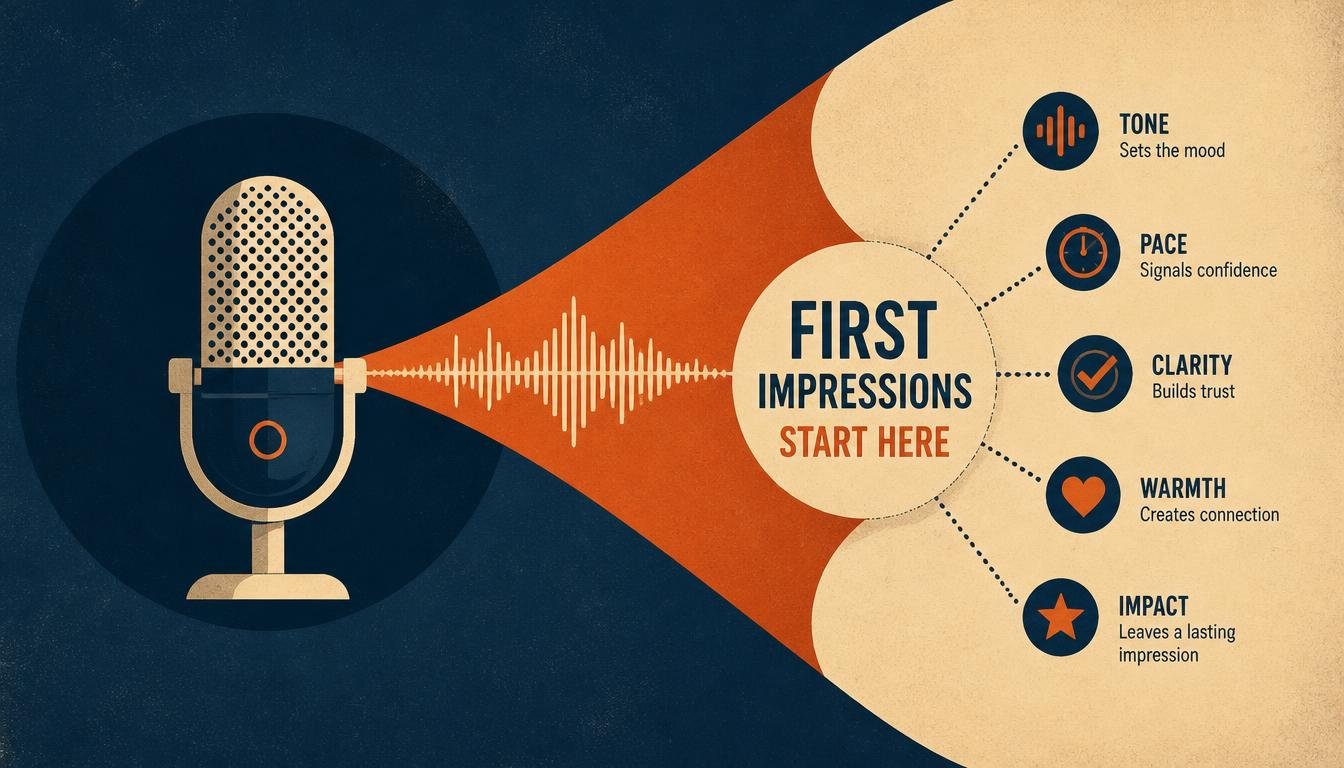
The Science of First Impressions Through Voice Alone (No Video)

the science behind how quickly and accurately people form first impressions through voice alone, without any visual cues. It covers how tone, pacing, and small involuntary sounds like laughter shape a stranger's judgment within seconds of a call starting.

Why People Confess Secrets to Strangers on Voice Chat Apps

why people often confess personal secrets to strangers on voice chat apps more easily than to people they know β€” from the lack of future consequences to the relief of a neutral, non-judgmental reaction. It draws a parallel between this impulse and the basic mechanism behind why therapy works.

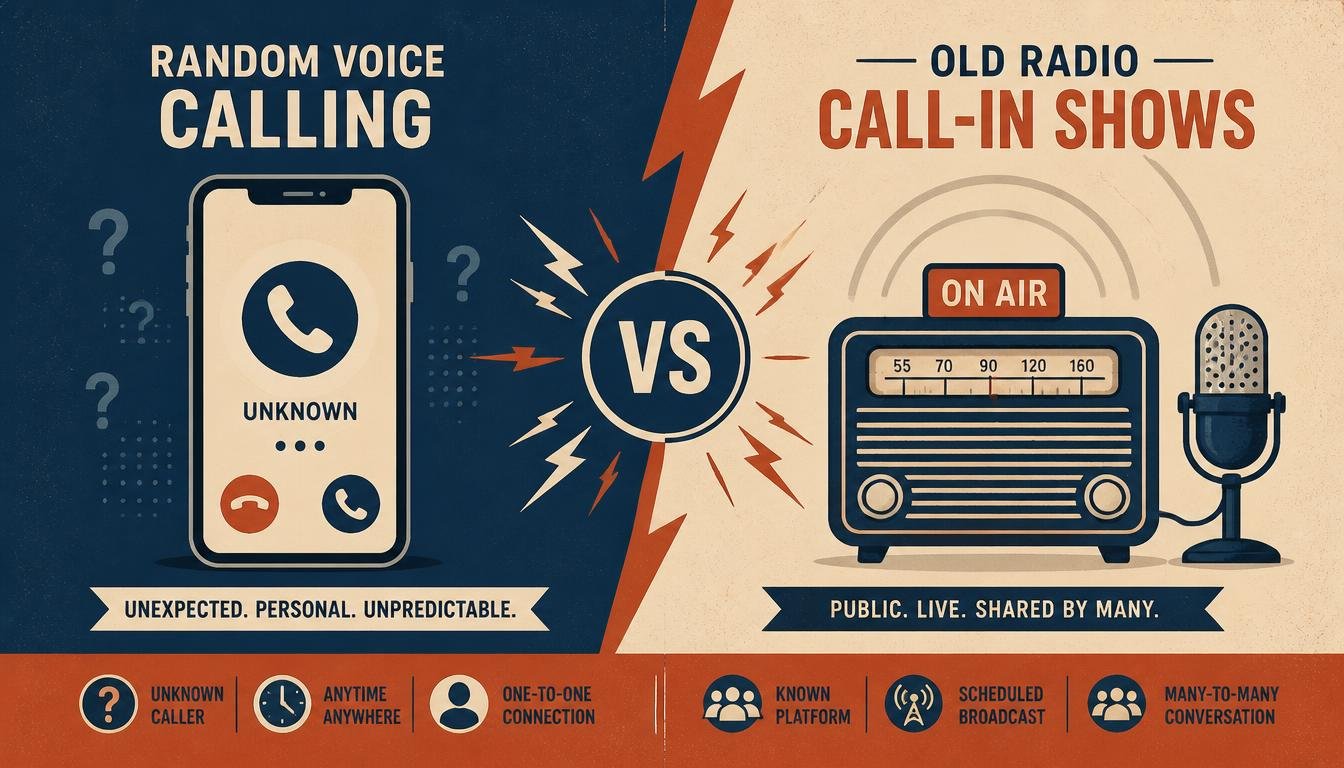
How Random Voice Calling Compares to Old Radio Call-In Shows

compares random voice calling apps to old-school radio call-in shows, tracing the shift from public broadcast with a host to private, unfiltered one-on-one conversation. It argues the underlying human motivation β€” wanting to be heard by a stranger β€” has stayed the same across decades.

The Unexpected Life Lessons You Learn From Talking to Strangers

reflects on the quiet life lessons that emerge from repeated conversations with strangers β€” about confidence, rejection, curiosity, and finding real depth without needing shared history. It frames these throwaway conversations as unexpectedly meaningful teachers.