Why Voice-Only Chat Might Be Better Than Video Chat for Connection
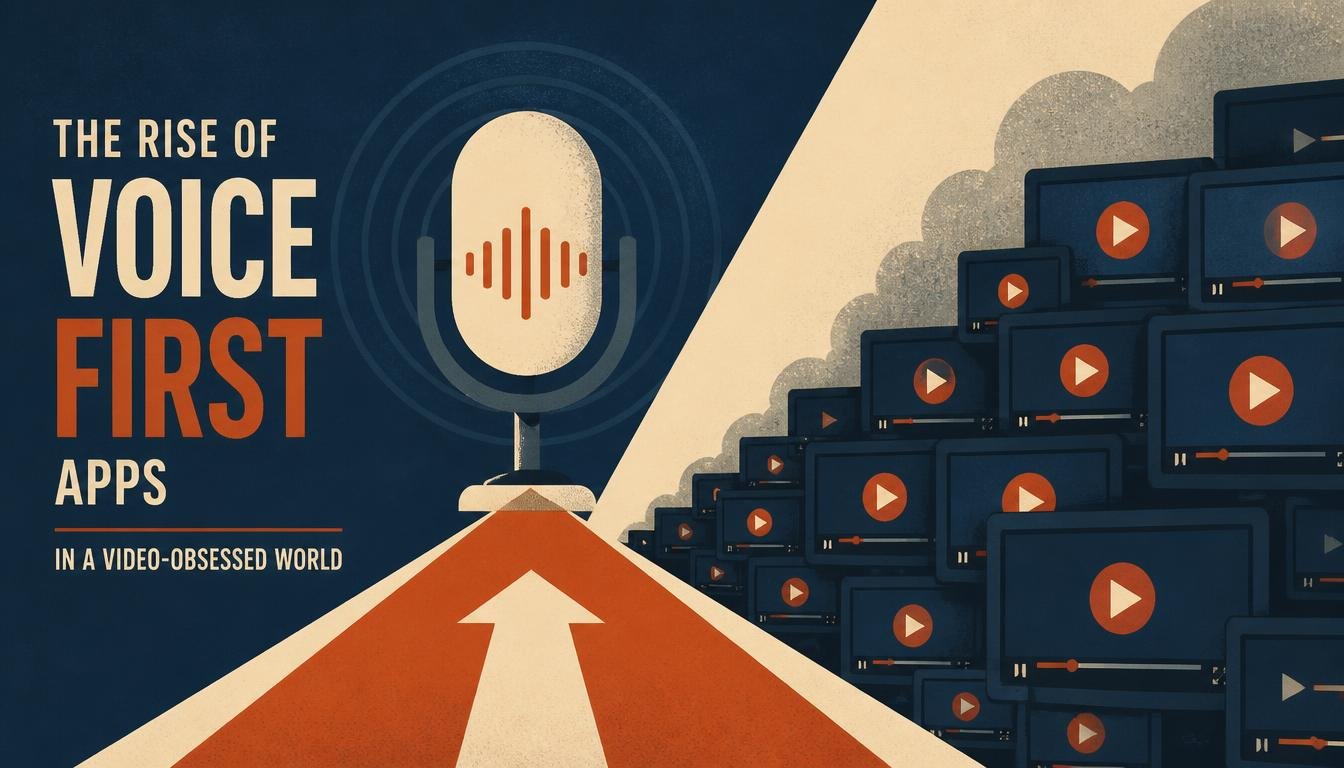
For years, video was treated as the upgrade — the "real" version of talking to someone, with voice-only calls seen as the lesser option you settled for when a camera wasn't available. But spend time comparing the two honestly, and a strange thing becomes clear: for actually connecting with a stranger, voice often does a better job than video ever manages.
That's not a nostalgic take. There are real reasons voice-only conversation can build a deeper connection than staring at someone's face on a screen.
Video Adds Pressure That Has Nothing to Do With Connecting
The moment a camera turns on, a second conversation starts happening alongside the actual one — a silent, constant awareness of how you look. Is the lighting okay? Does your face look tired? Should you smile more? None of that has anything to do with what's actually being said, but it quietly eats up attention that could be going toward the conversation itself.
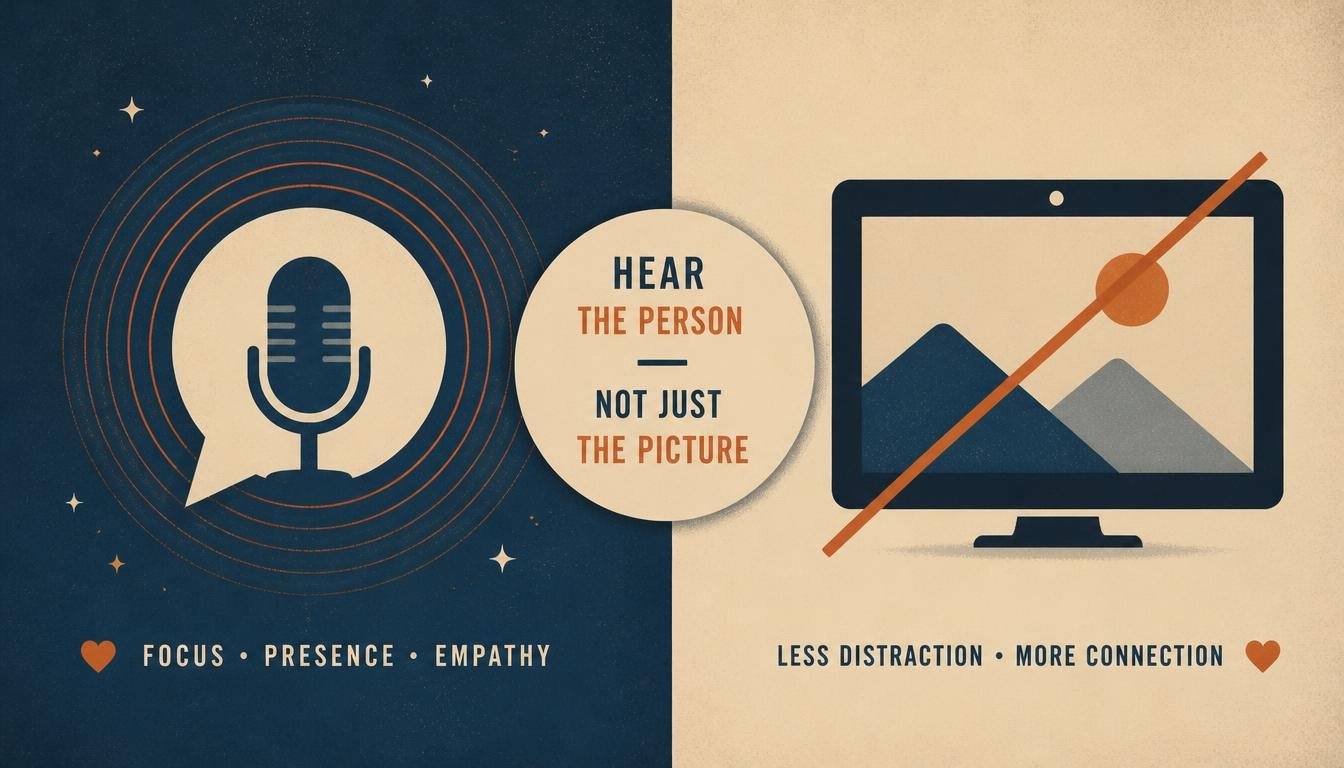
Voice removes that entire layer. There's nothing to monitor, nothing to angle correctly, nothing to worry about beyond the words themselves. That freed-up mental space often goes straight back into the conversation, which is part of why voice-only exchanges can feel more focused than video ones.
Voice Forces You to Actually Listen
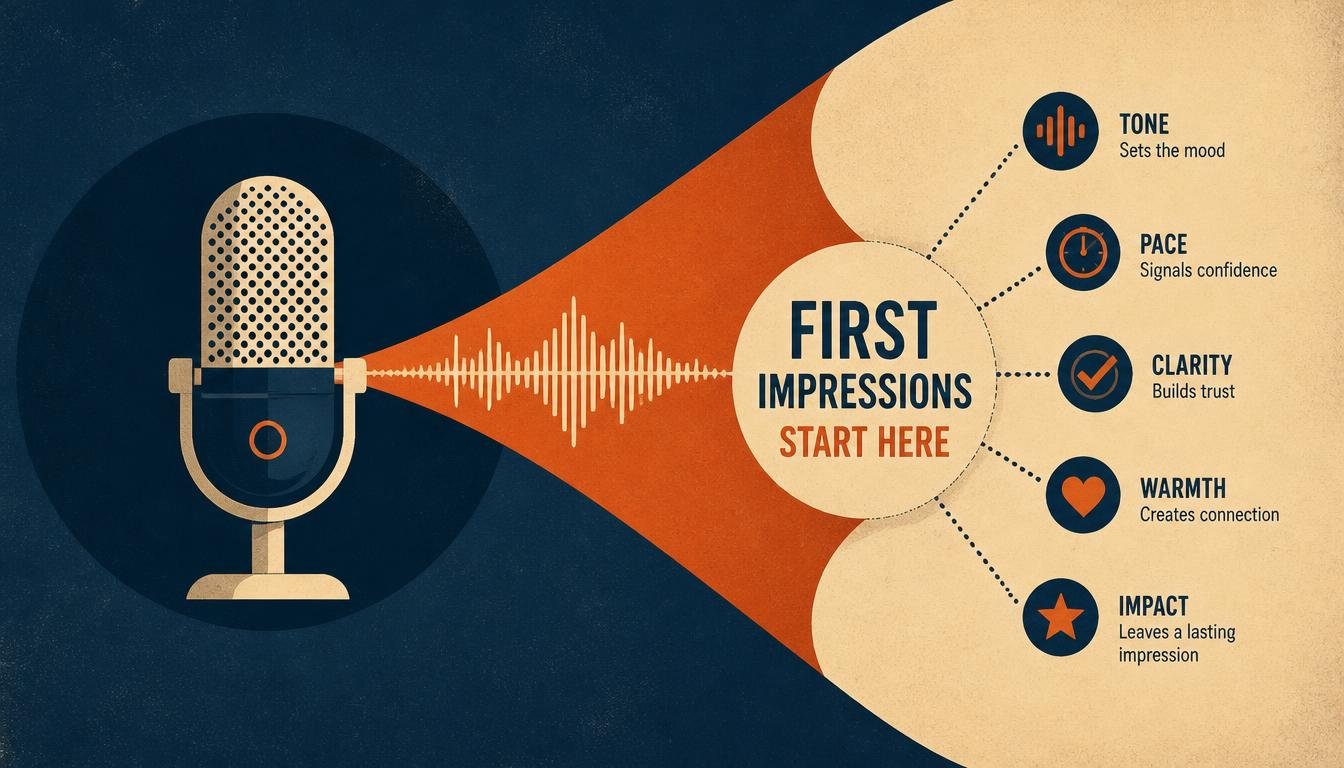
On a video call, a huge amount of attention naturally goes to watching — facial expressions, background details, even your own reflection in the corner of the screen. Voice-only conversation removes all visual distraction and leaves exactly one thing to focus on: what the other person is actually saying and how they're saying it. Listeners on voice calls often pick up on emotional tone more accurately than video callers do, simply because there's nothing competing for their attention.
Imperfections Don't Interrupt the Moment
On video, a bad hair day, a messy background, or just looking tired can quietly shape how a conversation goes, even if nobody says anything about it. People become self-conscious, and that self-consciousness leaks into how open they're willing to be. Voice sidesteps all of it. Nobody's tired-looking face is part of the conversation. All that exists is tone, energy, and words — and it's a lot easier to feel fully present when there's nothing to be self-conscious about beyond how you sound.
It's Easier to Be Vulnerable Without Being Watched
There's something about being watched, even by a friendly stranger, that makes vulnerability harder. Facial expressions get monitored in real time, and people naturally adjust what they say based on the reactions they see forming on someone's face. Voice removes that real-time feedback loop. You can say something difficult without watching the exact moment it registers on someone's face, which makes a lot of people more willing to actually say it in the first place.
Voice Fits Into Real Life More Naturally
Video calls demand a certain setup — decent lighting, a presentable background, sitting still and facing a camera. Voice asks for none of that. People talk on voice calls while walking, cooking, lying in the dark before falling asleep, doing dishes. That flexibility means voice conversations often happen in more relaxed, unguarded states than video calls do, and relaxed states tend to produce more honest, natural conversation.
The Imagination Fills in What the Camera Would Show
There's an underrated benefit to not seeing someone: your brain naturally builds a sense of who they are based purely on how they sound and what they say. That mental picture, built from tone and words rather than appearance, often creates a stronger emotional read on a person's personality than a visual first impression does. Judging someone by their voice alone strips away the immediate, sometimes unfair snap judgments that appearance tends to trigger.
Not a Downgrade — a Different Kind of Connection
None of this means video chat is pointless or that it can't build real connection too. Sometimes seeing someone's face matters, especially in relationships that are already established. But for the specific goal of connecting with a stranger quickly and honestly, voice-only conversation often does the job better, precisely because it strips away everything that isn't the actual conversation.
Turns out, sometimes less really is more. Take away the camera, and what's left is just two people, genuinely listening to each other — which, it turns out, might be all connection ever really needed in the first place.