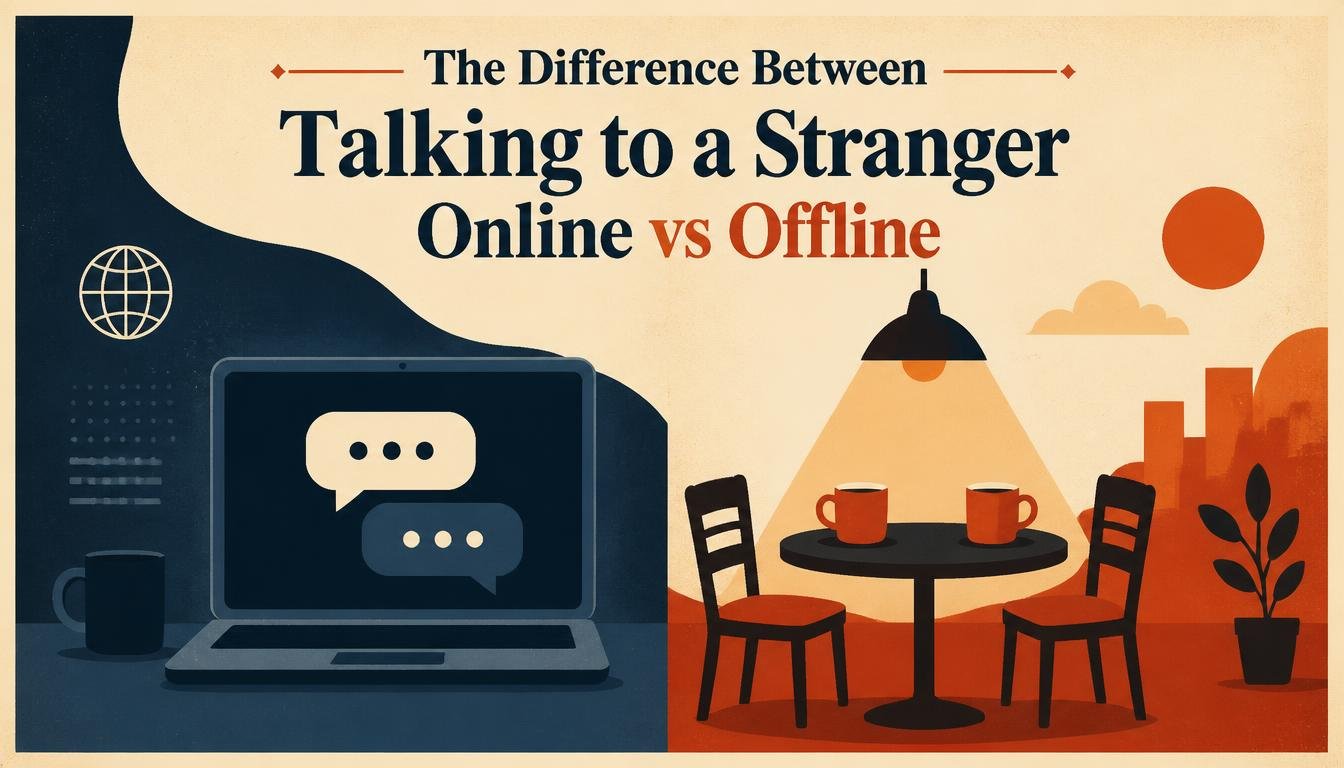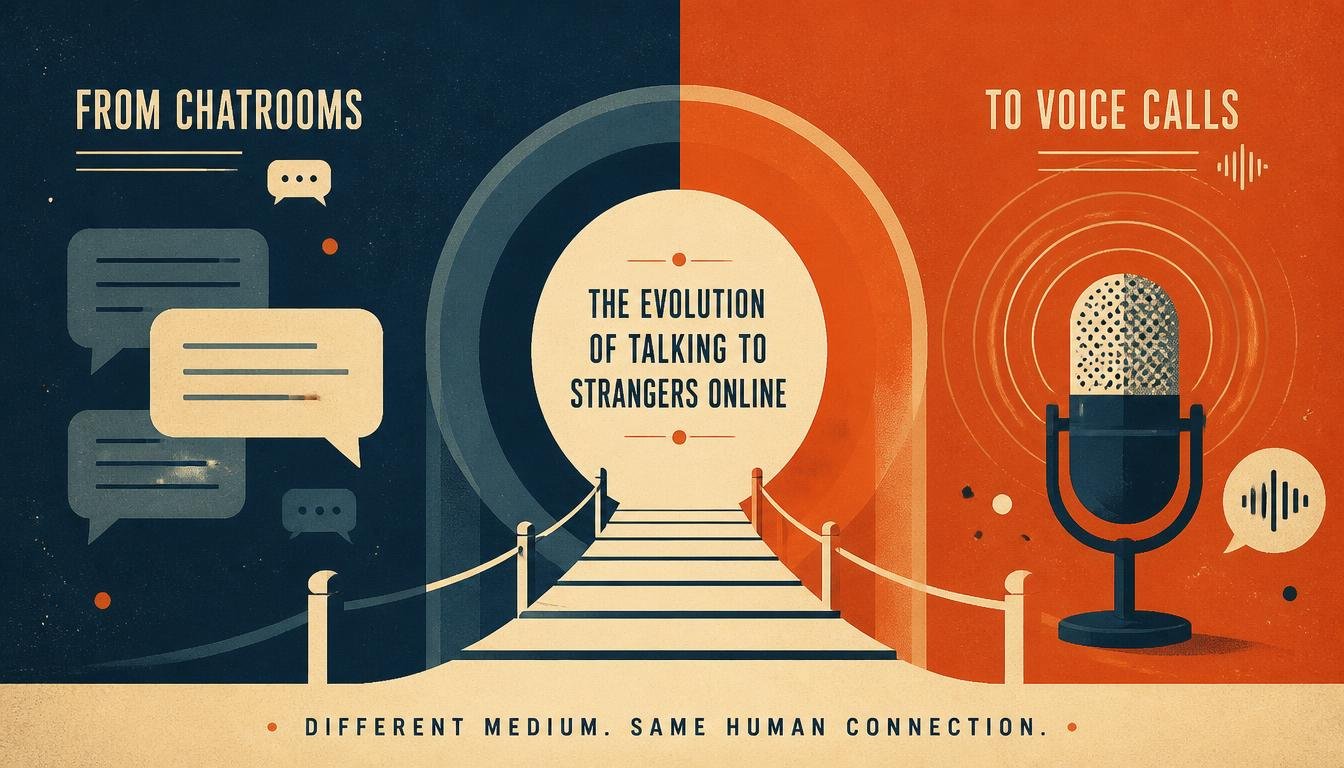
The Evolution of Online Communication
It started from Online communication has gone through many phases. It started with emails and chat rooms, moved to instant messaging, then social media, and later video calls. Each step added new features—but also new pressure.
Today, many users are stepping back from complexity and rediscovering the value of simple voice communication. We can use voice communication
Why Text-Based Communication Feels Overloaded
Text communication dominates the internet, but it often feels exhausting because:
-
Messages are constant
-
Conversations feel rushed
-
Tone is easily misunderstood
-
People overthink replies
As a result, users feel connected but mentally drained.
The Rise—and Limits—of Video Communication
Video calls solved some problems but introduced others:
-
Appearance pressure
-
Camera fatigue
-
High bandwidth usage
-
Privacy concerns
Many users enjoy video occasionally but don’t want it all the time.
Why Voice-Only Strikes the Perfect Balance
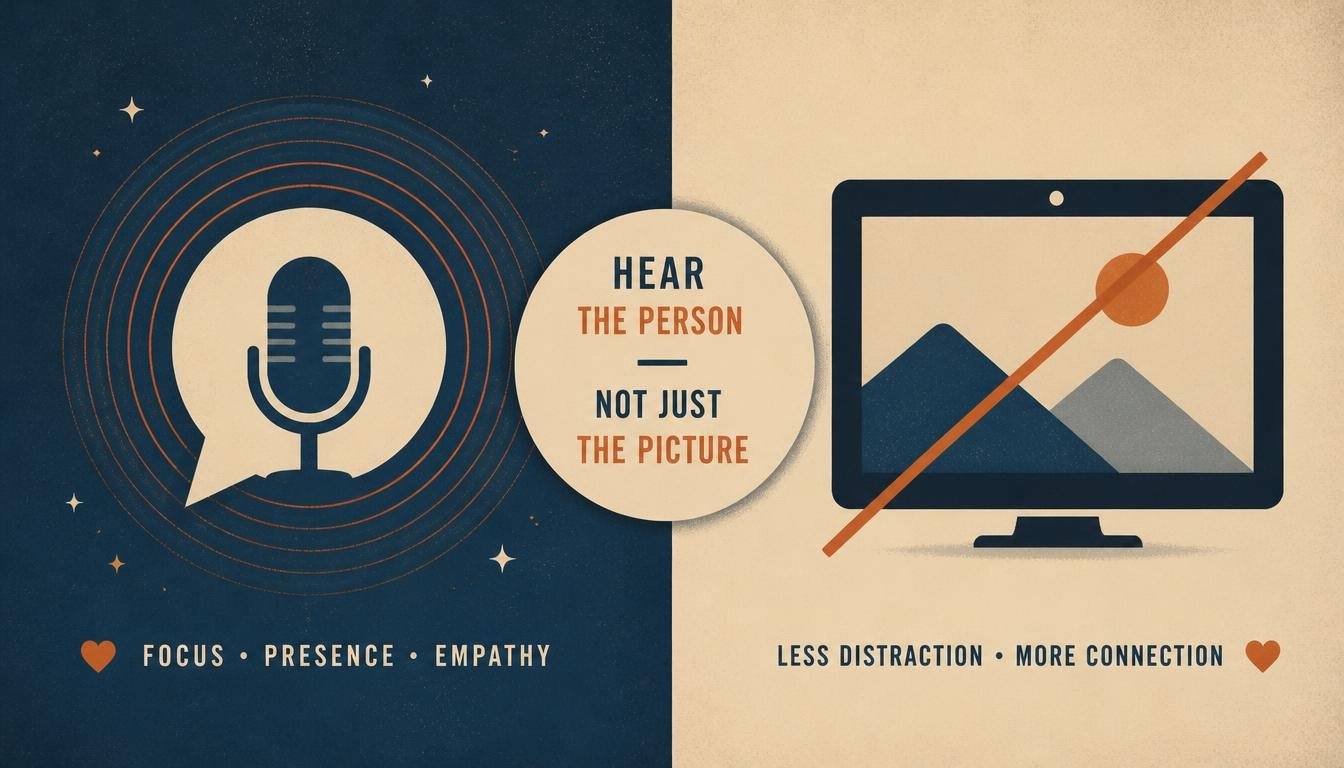
Voice-only communication sits between text and video:
-
More personal than text
-
Less intrusive than video
-
Emotionally expressive
-
Easy to access
This balance makes voice-only platforms attractive again.
The Human Connection Behind Voice
Voice carries emotion, tone, and intention. Even without visuals, people can:
-
Sense sincerity
-
Detect mood
-
Feel presence
This makes voice conversations feel real and engaging.
Less Performance, More Authenticity
Without cameras or profiles:
-
There’s no pressure to look perfect
-
No need to perform
-
No comparison with others
Voice-only platforms encourage authenticity over presentation.
Why Simplicity Is Becoming a Feature
Modern users are overwhelmed by features. Simpler platforms feel refreshing because they:
-
Load faster
-
Are easier to understand
-
Reduce mental effort
Voice-only interaction removes unnecessary layers.
Privacy Concerns Drive Voice-Only Adoption
As awareness about data privacy grows, users prefer:
-
Fewer permissions
-
Minimal data collection
-
Temporary interactions
Voice-only platforms naturally align with these preferences.
Voice Communication in Everyday Life
Voice is already central to daily technology:
-
Voice assistants
-
Podcasts
-
Voice notes
Voice-only chat platforms extend this familiarity into social interaction.
How RandomVoiceCall.com Fits This Trend
RandomVoiceCall.com focuseTrend
-
Voice-only interaction
-
No signup or profiles
-
Instant connections
-
User control
This design matches the modern demand for simple, private communication.
Short Conversations, Real Value
Not every interaction needs to be long. Short voice conversations:
-
Reduce loneliness
-
Offer quick connection
-
Fit into busy schedules
Voice-only platforms support this flexible usage.
Global Appeal of Voice-Only Platforms
Voice-only communication works across cultures:
-
Accents are accepted
-
Language mistakes are normal
-
Curiosity replaces judgment
This makes voice-only platforms globally accessible.
Why Younger and Older Users Both Embrace Voice
Different age groups value voice for different reasons:
-
Younger users appreciate low pressure
-
Older users enjoy simplicity
Voice-only bridges generational preferences.
The Future of Online Communication
As digital habits evolve, users are choosing:
-
Less noise
-
More meaning
-
Real conversations
Voice-only communication fits naturally into this future.
AdSense-Friendly, User-First Design
Platforms and content that:
-
Prioritize user comfort
-
Avoid manipulation
-
Encourage healthy interaction
are well-suited for sustainable monetization.
Final Thoughts
Voice-only communication is not a step backward—it’s a return to something human. In a digital world full of visuals and noise, voice offers simplicity, authenticity, and real connection.
Platforms like RandomVoiceCall.com show why voice-only communication is making a strong comeback—and why it’s here to stay.