The Rise of Digital Conversations
Digital communication has become part of everyday life. From messaging apps to social platforms, people now communicate more online than in person. While text chat has dominated for years, many users are beginning to feel that something is missing. The rise of digital conversation.
That missing element is human connection.
Random voice chat platforms are gaining attention because they bring back the emotional depth that text often lacks.
How Text Chat Changed the Way We Communicate
Text chat made communication:
-
Faster
-
Asynchronous
-
Easy to document
However, it also introduced problems:
-
Messages are often misinterpreted
-
Emotions are reduced to emojis
-
Conversations feel transactional
-
Responses are delayed
Over time, this can make communication feel empty.
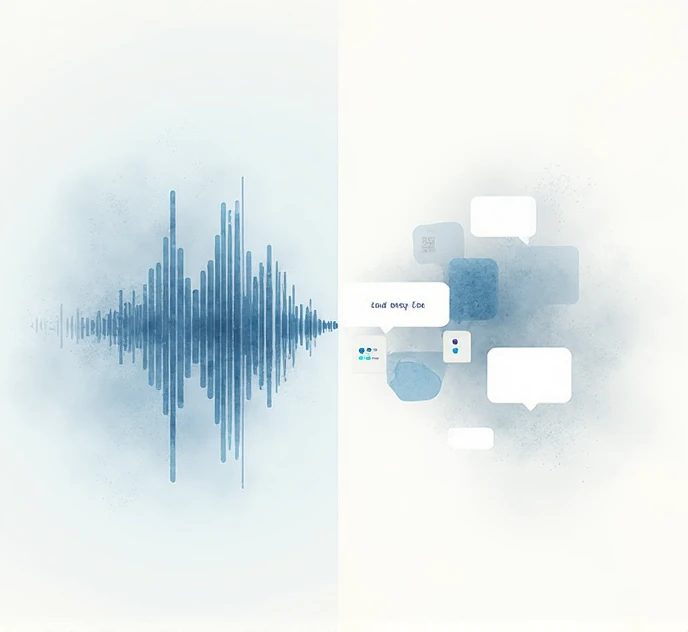
What Makes Voice Communication Different
Voice communication includes:
-
Tone of voice
-
Emotion
-
Pauses and reactions
-
Natural flow
These elements make conversations feel alive. When people hear each other, they connect faster and more genuinely.
Why Random Voice Chat Feels More Authentic
Random voice chat removes layers that text chat adds:
-
No typing filters
-
No message editing
-
No delayed responses
What you say is what the other person hears—instantly. This honesty creates stronger emotional engagement.
Human Psychology: Why We Trust Voices More
Studies in human behavior show that people trust voices more than written words. Voice allows listeners to:
-
Sense sincerity
-
Detect emotion
-
Feel presence
This is why phone calls often resolve misunderstandings faster than messages.
Text Chat Encourages Overthinking
Text chat gives users time to:
-
Rewrite messages
-
Overanalyze responses
-
Hide emotions
While this can be useful in professional settings, it reduces authenticity in social conversations.
Voice Chat Encourages Spontaneity
Voice chat encourages:
-
Natural responses
-
Real-time interaction
-
Emotional expression
RandomVoiceCall.com embraces this spontaneity by allowing users to speak freely without profiles or history.
Privacy Comparison: Voice vs Text
| Aspect | Voice Chat | Text Chat |
|---|---|---|
| Stored Data | Minimal | Often saved |
| Screenshots | Not applicable | Common |
| Message History | None | Permanent |
| Emotional Exposure | Natural | Filtered |
Voice chat often feels safer because conversations disappear when they end.
Why Random Voice Chat Reduces Social Fatigue
Constant typing, notifications, and message threads can cause digital fatigue. Voice chat offers:
-
Short conversations
-
No obligation to reply later
-
No inbox overload
This makes it mentally refreshing.
Global Communication Benefits
For international users, text chat has challenges:
-
Grammar issues
-
Translation errors
-
Cultural misunderstandings
Voice chat allows people to communicate naturally, even with imperfect language skills.
How RandomVoiceCall.com Enhances Voice-Based Interaction
RandomVoiceCall.com focuses on:
-
Instant voice matching
-
Anonymous access
-
Simple interface
-
Respectful environment
This design removes friction and keeps conversations human.
Which Is Better for Meeting New People?
Text chat often feels slow and awkward with strangers. Voice chat:
-
Breaks the ice faster
-
Creates emotional presence
-
Reduces first-contact anxiety
This is why random voice chat is ideal for meeting new people.
AdSense-Friendly Communication Platforms
From an advertising perspective, voice chat platforms are favorable when they:
-
Avoid explicit content
-
Promote healthy interaction
-
Provide informational content
RandomVoiceCall.com maintains a clean, policy-compliant environment suitable for ads.
The Future: Voice-First Digital Interaction
As technology evolves, voice is becoming central:
-
Voice assistants
-
Podcasts
-
Voice notes
Random voice chat fits naturally into this voice-first future.
Final Thoughts
Text chat will always have its place, but it cannot replace the emotional depth of voice. Random voice chat brings communication back to its most natural form—talking.
Platforms like RandomVoiceCall.com show that real human connection does not require profiles, images, or endless typing—just a voice.