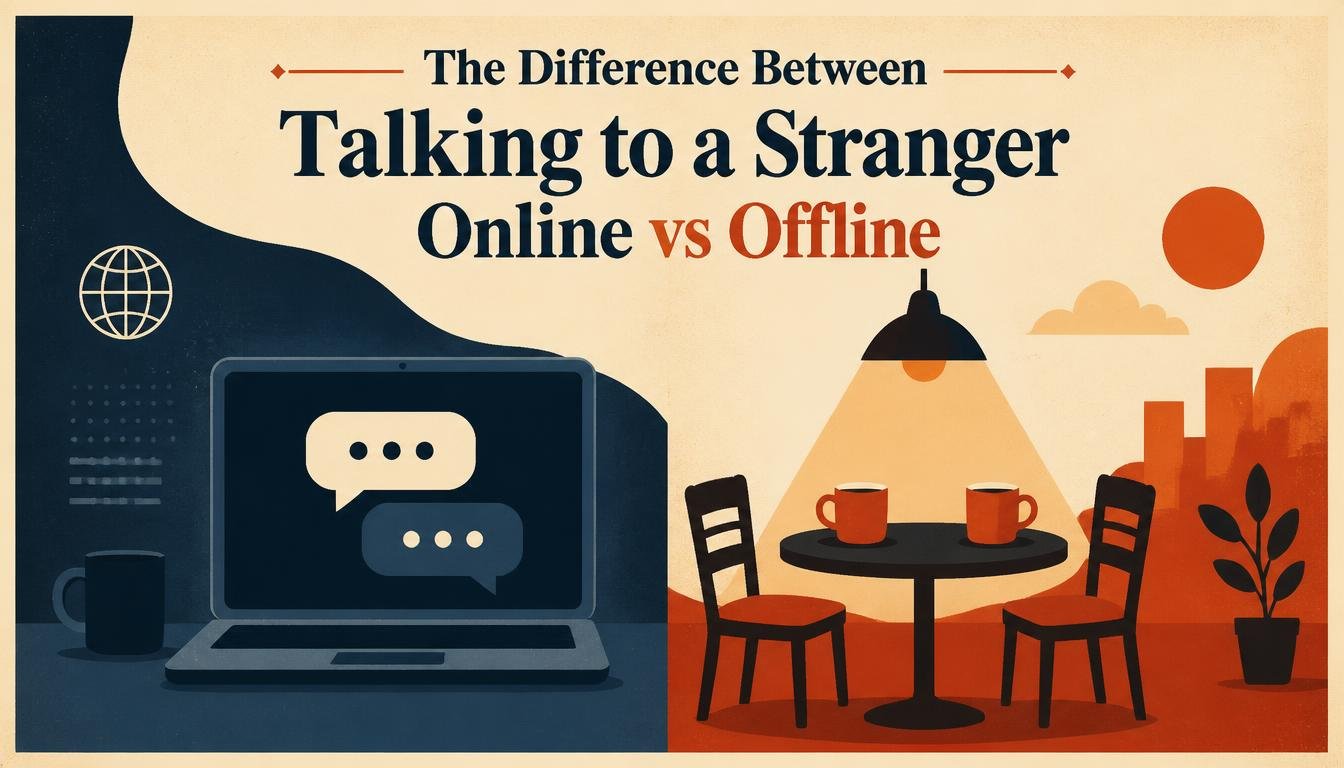
Why Talking to a Stranger Feels Easier Than Talking to Someone You Know
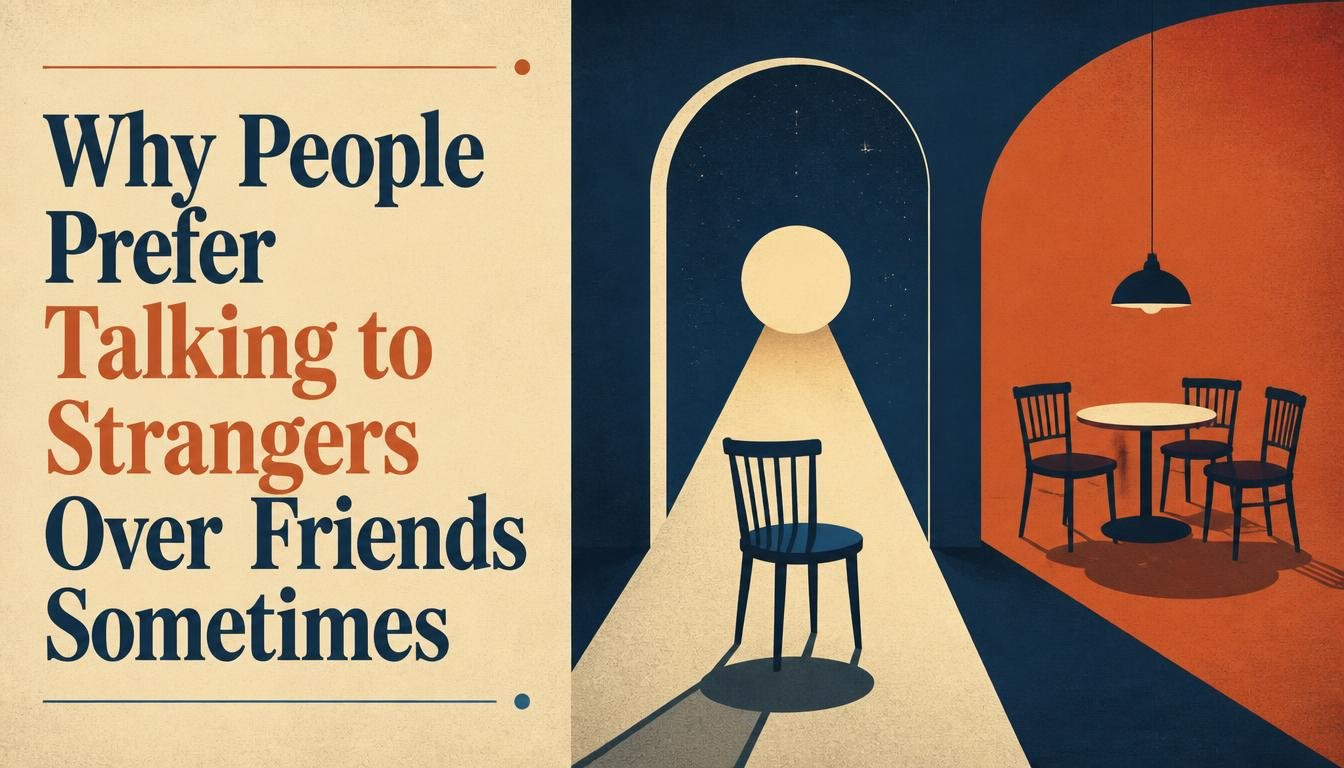
Try this the next time it happens: you've had a bad week, something's bothering you, and you go to text a close friend about it — and then you just... don't. You put the phone down. Not because you don't trust them. Because somehow, it feels heavier to tell them than it would to tell a total stranger.
If that's ever happened to you, you're not broken and you're not alone. There's a real reason strangers often make things easier, and it has nothing to do with how much you love the people close to you.
You Don't Have to Manage Their Reaction
When you tell a close friend something difficult, part of your brain is already predicting how they'll respond. Will they worry? Will they bring it up again in three weeks? Will they tell someone else without meaning to? You're not just sharing a feeling — you're managing a relationship while you do it.
A stranger removes that entire layer. There's no future to protect, no reputation to maintain, no risk of the conversation resurfacing at a family dinner. You get to say the thing exactly as it is, without softening it for someone else's comfort or bracing for their reaction.
No History Means No Judgment
The people who know us best also know our worst decisions, our repeated mistakes, the version of us from five years ago that we've been trying to grow out of. Even when they don't mean to, that history colors every conversation. Tell your best friend you're thinking about quitting your job again, and there's a decent chance you'll hear "again?" in their tone, even if they don't say it out loud.
A stranger has none of that context. You're not "doing this again" to them — you're just a person figuring something out in real time. That blank slate makes honesty feel a lot less risky.
There's Nothing to Lose
This is probably the biggest piece of it. With people you know, every conversation is an investment in an ongoing relationship. Say the wrong thing, overshare, come across a little too intense — and you might feel it the next time you see them. With a stranger, there is no "next time you see them." If a conversation goes sideways, it just ends. Nothing carries forward. That safety net, paradoxically, is what makes people brave enough to say things they'd never say to someone they'll actually run into again.
Strangers Don't Compare You to Who You Used to Be
Close relationships are built on memory, which sounds nice until you realize memory can also trap you. Your family remembers who you were at sixteen. Your college friends remember the person you were before you changed your mind about a dozen things. Every time you talk to them, some small part of the conversation is shaped by who you used to be.
Strangers only get the version of you sitting in front of them right now. No comparisons, no "you've changed," no subtle expectations pulling you back toward an old version of yourself. For a lot of people, that's not lonely — it's freeing.
This Isn't About Avoiding Real Connection
None of this means strangers are somehow "better" than the people who actually know and love you. Real relationships offer something no stranger ever can — someone who shows up for you again and again, who remembers your birthday, who actually knows the full story behind why today is hard. That kind of history is valuable in ways a one-time conversation never will be.
But needing an occasional conversation with zero stakes doesn't cancel out real friendship. It just fills a different gap — the need to say something out loud, honestly, without it becoming part of your permanent record with someone you'll face again tomorrow.
Where Random Voice Calls Fit In
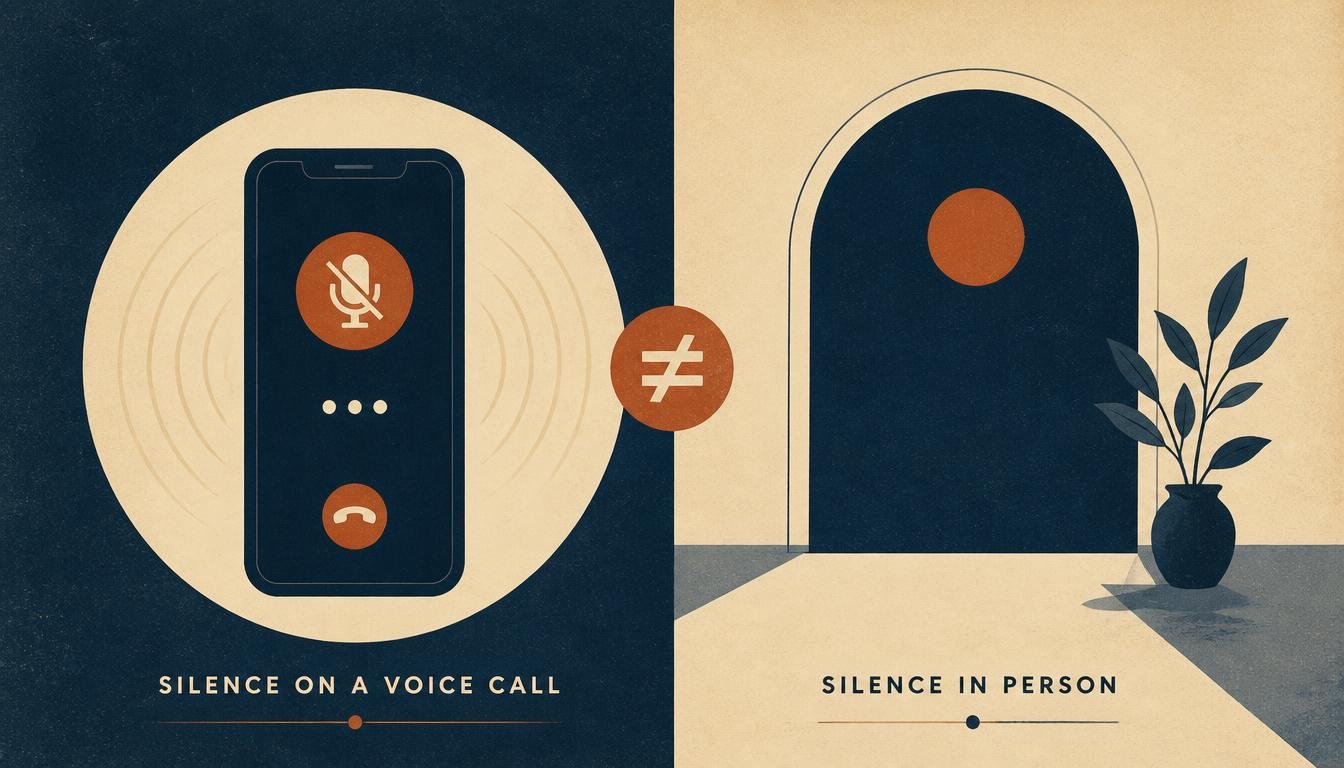
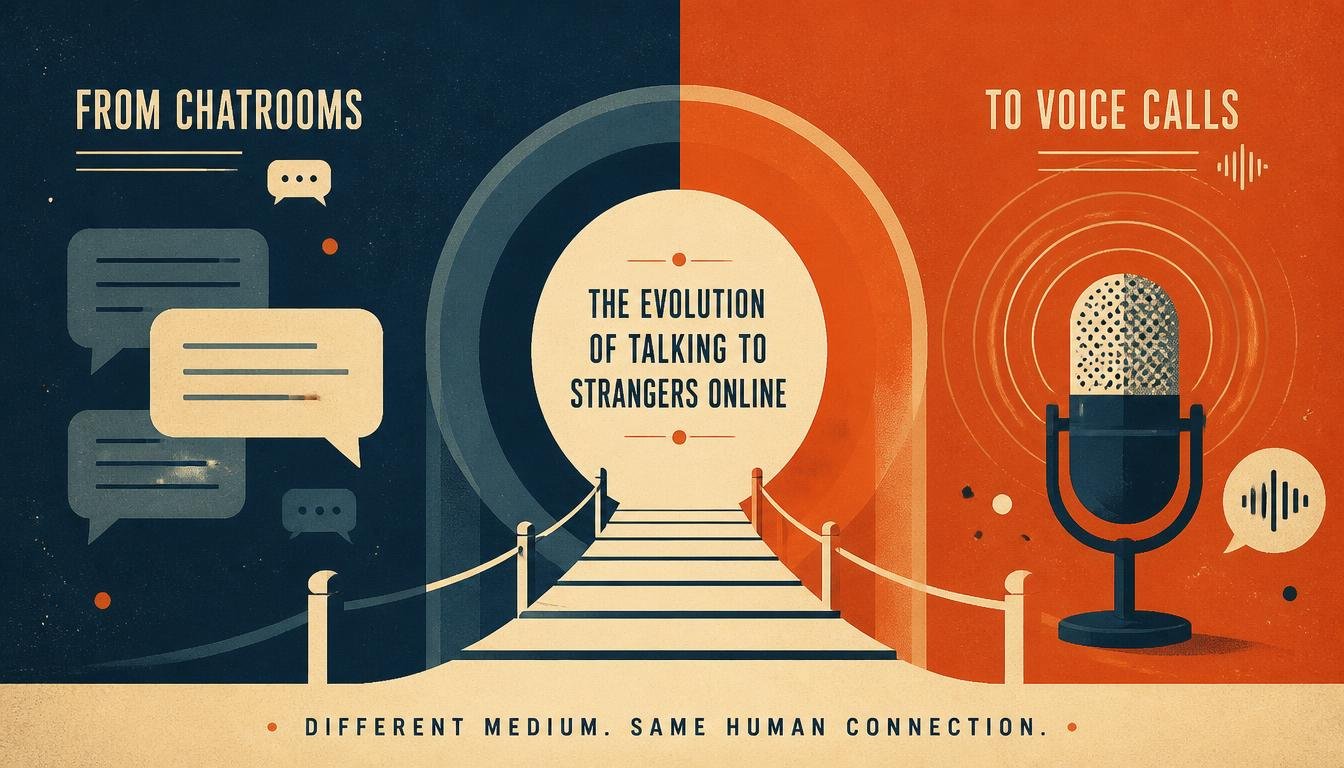
This is exactly why talking to a random stranger on a voice call can feel oddly relieving. You're not performing for anyone who'll remember it. You're not managing a relationship. You're just a voice, talking to another voice, saying something true for a few minutes before it disappears completely. Sometimes that's not a replacement for real connection — it's just what makes room for it.