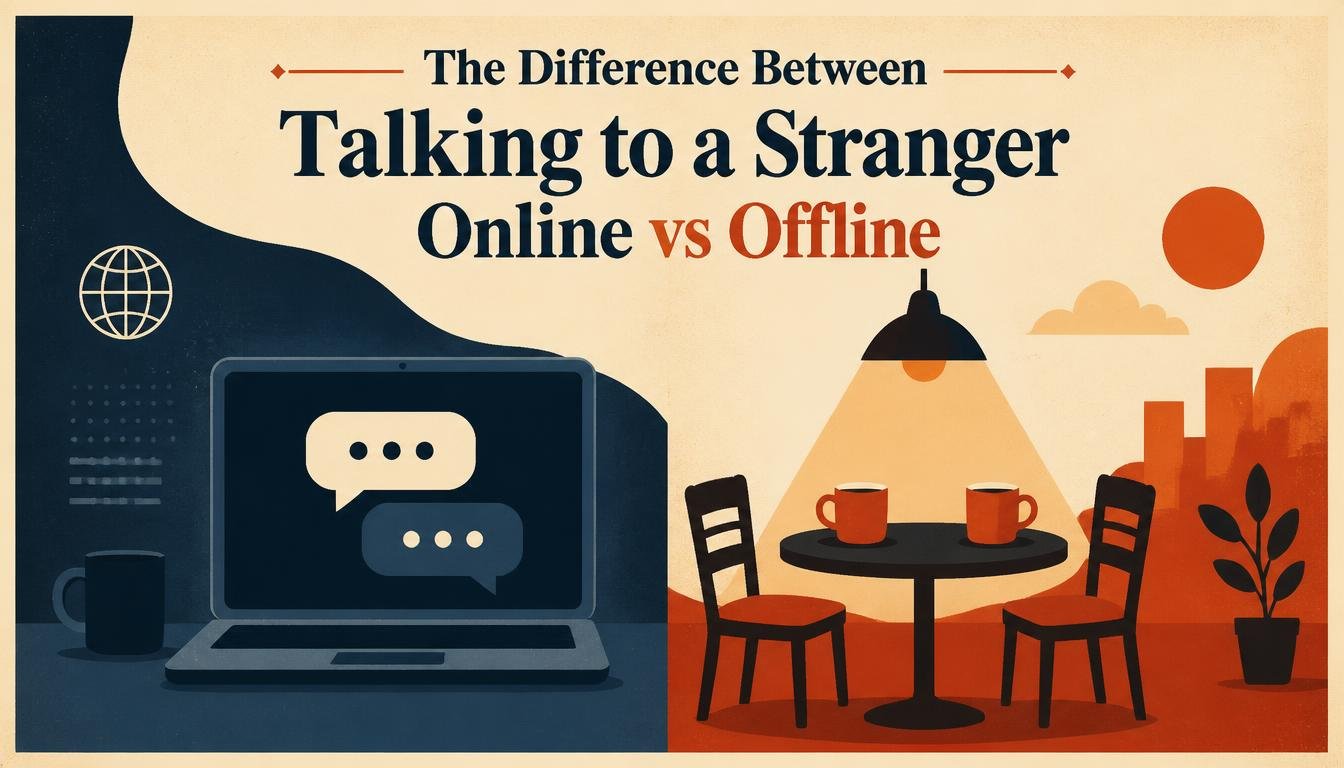
Think about the last time you had a rough day and didn't feel like calling anyone you actually know. Maybe you scrolled through your contacts and put the phone down. It's not that you don't trust your friends. It's that talking to them comes with baggage — they know your history, your patterns, your excuses. Sometimes that's exactly what you need. And sometimes it's the last thing you want.
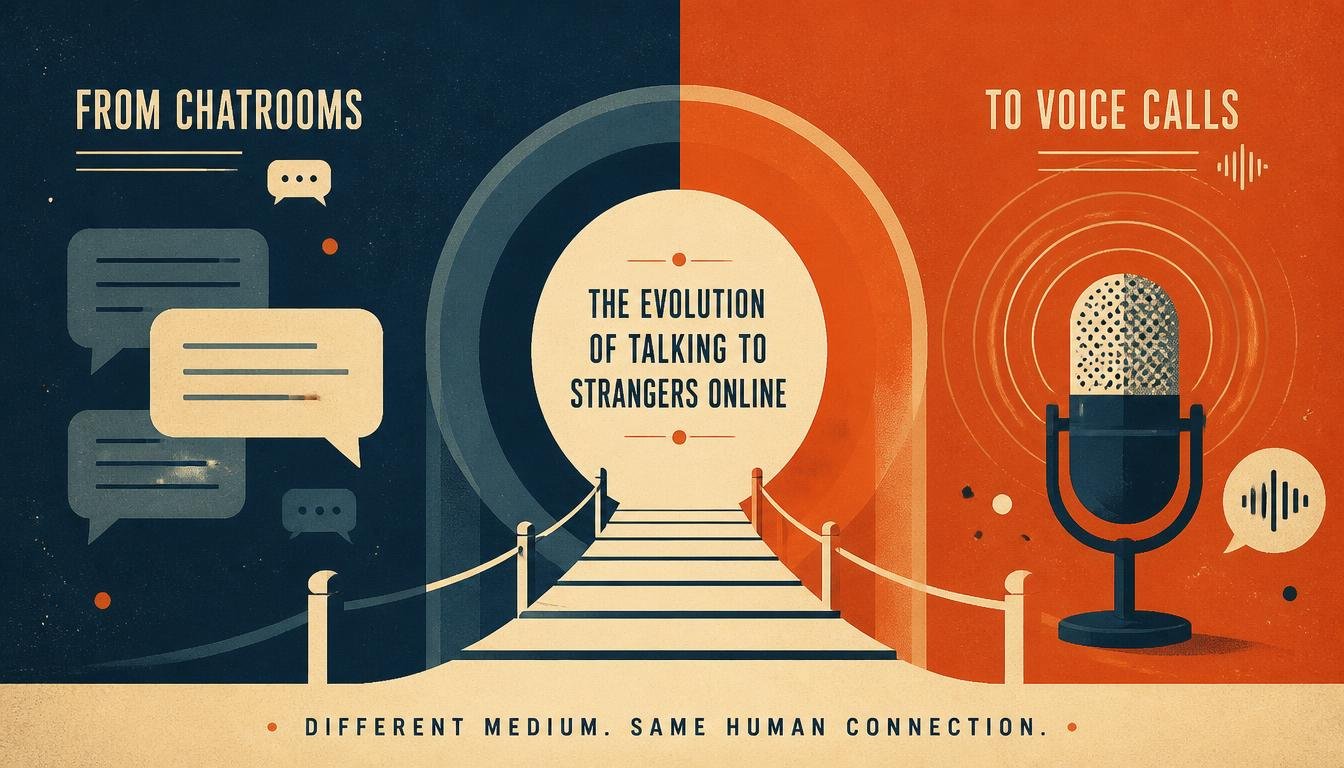
This is part of why random voice calling has quietly become a habit for so many people, especially late at night when the world feels a little too quiet.
The Weight of Being Known
Friends remember things. That's usually a good thing — until it isn't. If you're going through something you're a little embarrassed about, or a decision you already know your friends will judge, opening up to them can feel like walking into a courtroom instead of a conversation. They already have opinions about your life. They've seen you make the same mistake twice. There's history sitting between every sentence.
A stranger doesn't carry any of that. When you talk to someone who has zero context about who you are, you get to just... exist as you are in that moment. No comparisons to who you used to be. No "well last time you said" reminders. Just you, talking, being heard without a filter of expectations.
Nobody's Keeping Score
With close friends, conversations often come with invisible math. You listened to them vent last week, so now it's kind of their turn to listen to you. You don't want to be "that friend" who always brings problems. You start editing yourself before you even speak, worried about being too much or not enough.
Strangers don't do that math. There's no relationship to protect, no dynamic to maintain, no fear of becoming a burden to someone you'll actually see again tomorrow. You can say the awkward thing, the unfiltered thing, the thing you've been sitting on for weeks — and if it goes badly, you just hang up. No damage done. No weird tension the next time you meet up for coffee.
Honesty Gets Easier With Distance
It sounds backwards, but a lot of people find it easier to be completely honest with someone they'll never see again than with someone they see every day. Maybe it's because there's nothing to lose. Your reputation isn't on the line. Your stranger on the other end of the call isn't going to bring it up at a dinner party six months from now.
This is actually why so many people open up to strangers on trains, on flights, in waiting rooms — the "stranger on a train" effect is a real, documented thing psychologists have studied for years. Random voice calling apps basically recreate that same effect, except you don't even need to leave your room.
It's Not About Replacing Friendship
None of this means friendships don't matter, or that talking to strangers is somehow "better." It's not a competition. Close friends offer something strangers never can — history, loyalty, someone who'll actually show up when things get hard in real life.
But friendship isn't built for every kind of conversation. Some things need distance, not closeness. Some nights you just want to talk without being known, without being remembered, without any of it following you into tomorrow. That's a different need entirely, and there's nothing wrong with reaching for it.
The Real Reason It Works
At the core of it, talking to strangers gives people something friendship often can't: a blank slate. No assumptions, no history, no consequences waiting on the other side of the conversation. Just two people, briefly connected, saying things they might never say out loud otherwise.
Maybe that's why random voice calling keeps growing — not because people are running away from real connection, but because sometimes they need a version of connection that asks nothing of them afterward. A conversation that starts and ends clean, leaving space to just be honest for a few minutes, with someone who'll never bring it up again.