AI chat companions have gotten remarkably good at sounding attentive. They respond instantly, never get tired of a topic, and never judge. It's a genuinely impressive piece of technology — and it's also missing something that a real, unpredictable human voice on the other end of a call still provides.
What AI Companions Do Well
They're available at 3 a.m. They don't get bored. They can be endlessly patient with a repeated question or an unpopular opinion. For low-stakes, always-on availability, there's genuinely nothing better right now, and dismissing that usefulness outright misses the point of why people use them. I think it we should talk about our feelings with AI it can be good. Well Time
What's Actually Missing
An AI's patience isn't really patience — it's the absence of the thing that makes real patience meaningful: the option to disengage. When a real person chooses to keep listening, stays curious, or laughs at something you said, it means something specifically because they didn't have to. That authenticity, the fact that a real stranger's reaction is genuinely their own and not generated for you, is not something a chatbot can replicate no matter how convincing it sounds.
The Unpredictability Is the Point
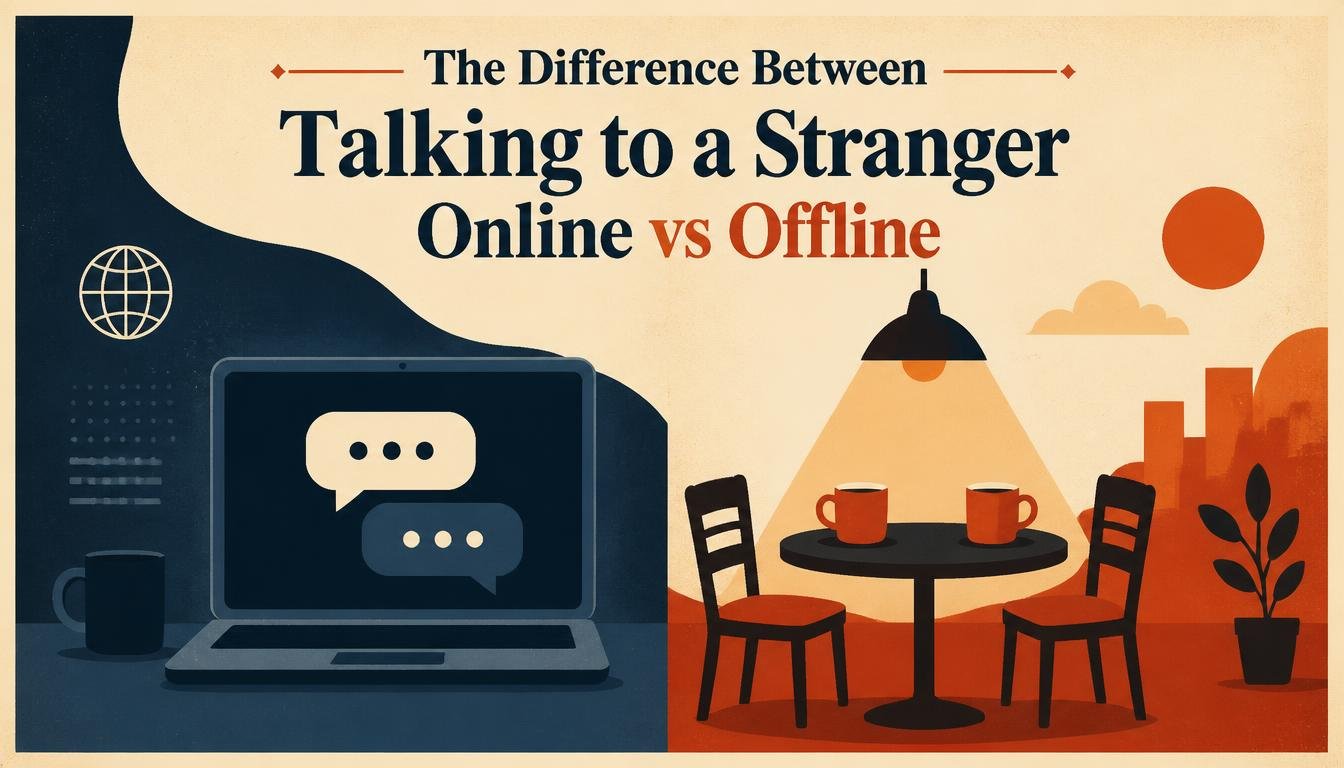
A real conversation with a stranger can go somewhere you didn't expect — a tangent, a disagreement, a piece of unsolicited advice that turns out to matter. An AI, by contrast, is shaped to keep giving you a version of what it predicts you want. That predictability is comfortable, but it's also a kind of flatness that real conversation, with all its friction, doesn't have.
Where Each One Fits
- AI companions: useful for quick, low-stakes interaction any time of day, with zero social risk.
- Real voice conversation: better for the kind of unpredictable, genuinely reciprocal exchange that actually changes your mood or your mind.
- Neither replaces the other — they're solving slightly different problems, even when they look similar on the surface.
Frequently Asked Questions
Is it bad to rely on AI companions for conversation?
Not inherently — they serve a purpose, especially for low-stakes availability. Problems tend to arise only if they fully replace real human contact rather than supplementing it.
Why does a real person's reaction feel different from an AI's?
Because it's genuinely theirs — a real person's laugh, disagreement, or curiosity reflects an actual reaction, not a response generated to match what you're statistically likely to want to hear.
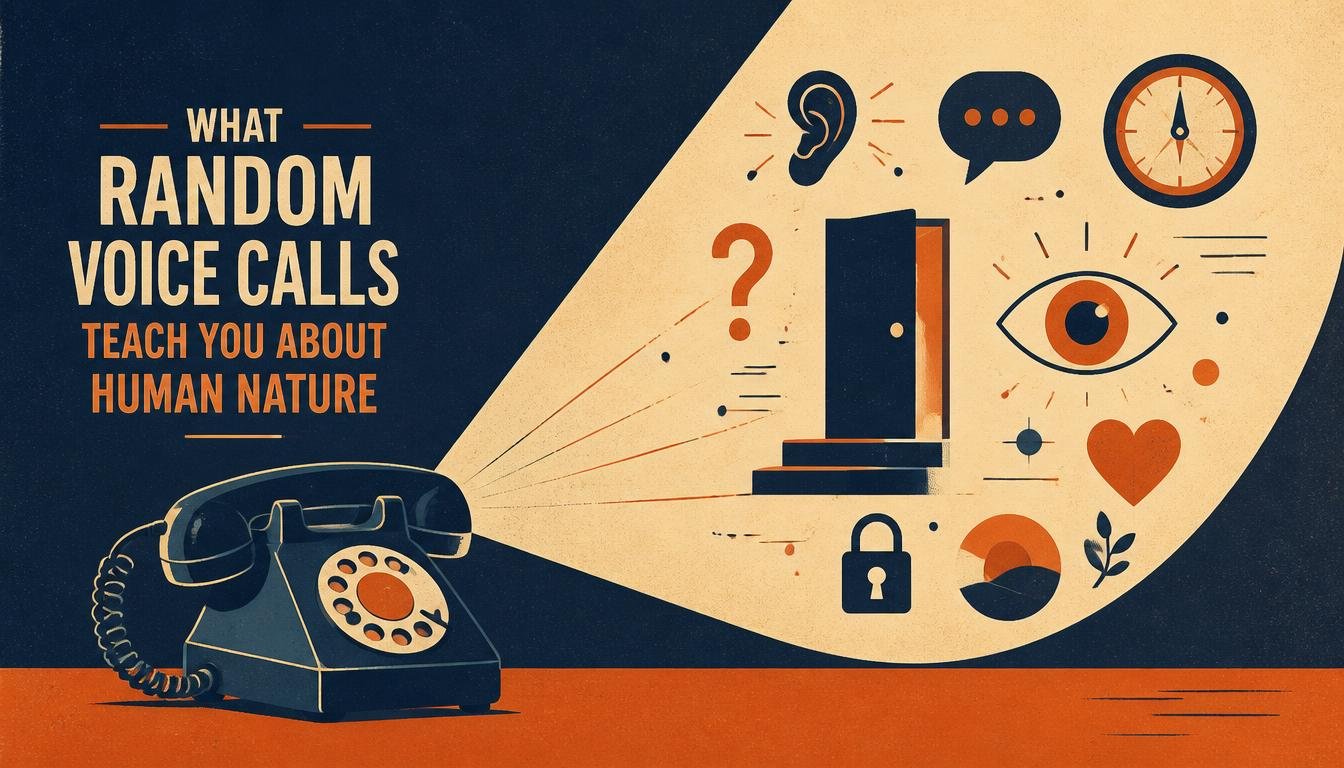
AI conversation has real, practical uses, and it isn't going anywhere. But the specific feeling of being genuinely heard by someone who chose to keep listening — with no script behind it — is still something only a real human voice can offer.