Language apps are good at a lot of things — vocabulary drills, grammar rules, spaced repetition. What they're consistently weak at is the one thing that actually determines whether a stranger understands you the first time you speak: how the words sound coming out of your mouth, in real time, without a pre-recorded voice to imitate a second time. In that time we can best we are pronounciation skill damn Bro. You are the best one.
Why Apps Struggle With Pronunciation
Most language apps rely on repeating after a recording or reading text aloud to yourself. That builds familiarity with sounds, but it doesn't train you to adjust in the moment when someone doesn't understand you — which is the actual skill pronunciation practice needs to build. Real conversations force instant correction: if someone asks you to repeat yourself, you learn immediately which word or sound caused the confusion.
What Unscripted Conversation Adds
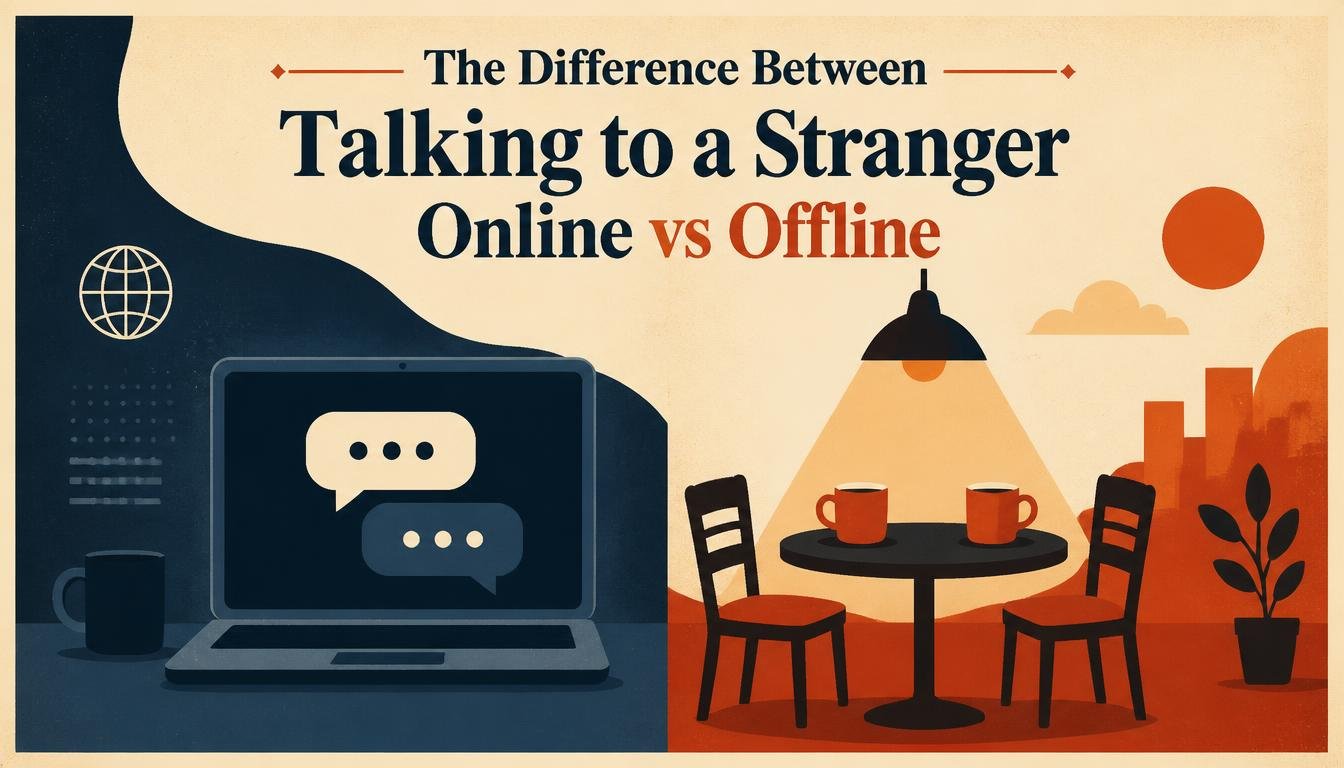
Talking to a stranger removes the safety net of a predictable script. You have to form sentences on the spot, adjust your pace, and notice in real time whether the person on the other end is following you. That immediate feedback loop — did they understand or did they ask "sorry, what?" — is far more useful for pronunciation than any drill, because it's tied to a real consequence.
Getting the Most Out of Practice Conversations
- Talk to a range of different people, rather than the same one repeatedly — different accents and speaking speeds train your ear and your mouth differently.
- Ask directly if something was unclear, instead of assuming it landed fine. Most people are happy to tell you which word tripped them up.
- Repeat a corrected word a few times in the same conversation once you know how it should sound, while the correction is still fresh.
- Don't over-plan what you'll say. Some awkwardness is part of the process, and it's where the real learning happens.
It Complements Structured Learning, Doesn't Replace It
Grammar drills and vocabulary apps still matter — they give you the raw material to work with. Unscripted conversation is where that raw material gets tested under real conditions. The two work best together: build vocabulary with structured tools, then stress-test your pronunciation in live conversation.
Frequently Asked Questions
Will strangers actually correct my pronunciation?
Many will, especially if you ask directly. Most people are more willing to help with pronunciation when they know you're genuinely trying to improve, rather than feeling awkward about pointing it out unprompted.
How often should I practice this way?
Short, frequent conversations tend to work better than occasional long ones — a few minutes several times a week keeps the feedback loop active without becoming exhausting.
No app can fully replace the moment a real person doesn't understand a word you just said — and has to ask you to repeat it. That small, slightly uncomfortable moment is often where actual pronunciation improvement happens, and it's something only a live conversation can offer.