The Traditional Idea of Trust Online
For years, online platforms have relied on visible identity to build trust. Profiles, photos, usernames, follower counts, and verification badges became standard features. The idea was simple: the more information people share, the more trustworthy they appear. This is called the traditional idea of truth or online
However, this approach has created new problems:
-
Privacy concerns
-
Fake profiles
-
Identity pressure
-
Data misuse
As a result, many users no longer feel safe—even on platforms full of profiles.
Why Profiles Don’t Always Mean Trust
A profile can be edited, exaggerated, or completely fake. Photos can be misleading. Bios can be copied. Trust built on appearance is fragile.
Users are starting to realize that:
-
Visibility does not equal honesty
-
Information does not guarantee safety
-
Profiles can create false confidence
This shift has opened the door for anonymous platforms.
How Trust Forms Without Identity
Trust does not come from knowing who someone is—it comes from how they behave.
In random voice chat:
-
Respectful tone builds comfort
-
Natural conversation builds confidence
-
Mutual control builds safety
When users can leave at any time, trust feels balanced and fair.
The Role of Voice in Building Trust
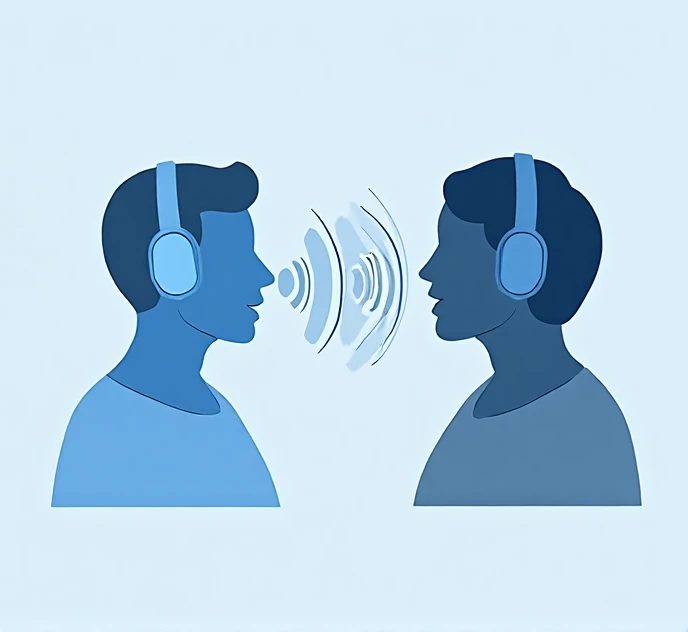
Voice is powerful because it is difficult to fake consistently. Through voice, people sense:
-
Calmness or aggression
-
Honesty or hesitation
-
Interest or disinterest
Even without knowing someone’s identity, users can quickly judge whether a conversation feels safe.
Temporary Conversations Create Safer Spaces
One of the strongest trust factors in random voice chat is temporary interaction:
-
No chat history
-
No saved messages
-
No future obligation
When conversations end cleanly, users feel protected.
Why Control Equals Trust
Trust increases when users feel in control. Random voice chat platforms provide:
-
Instant call exit
-
No follow requests
-
No message inbox
This control removes fear and pressure.
How RandomVoiceCall.com Builds Trust by Design
RandomVoiceCall.com focuses on:
-
Voice-only communication
-
No public profiles
-
No permanent identities
-
Clear community standards
This structure encourages respectful behavior naturally.
Anonymity and Accountability Can Coexist
Anonymity does not mean chaos. Responsible platforms balance anonymity with:
-
Basic moderation
-
Clear usage rules
-
Platform monitoring
This balance keeps conversations safe without invading privacy.
Why Users Feel More Relaxed Without Profiles
Without profiles:
-
Users don’t compare themselves
-
No pressure to impress
-
No fear of judgment
Relaxed users communicate better—and safer.
Global Trust Across Cultures
Profiles often highlight cultural differences. Voice chat reduces them. When users speak:
-
Accents are accepted
-
Language mistakes are normal
-
Curiosity replaces judgment
This builds cross-cultural trust naturally.
Trust vs Permanence
Permanent digital footprints create anxiety. Random voice chat removes permanence:
-
Nothing to maintain
-
Nothing to regret
-
Nothing to explain
This freedom increases user comfort.
Why This Matters for New Users
New users trust platforms faster when:
-
Nothing personal is required
-
They can explore anonymously
-
They can leave anytime
RandomVoiceCall.com provides this first-use confidence.
Trust and Google AdSense Compatibility
Google AdSense values:
-
User safety
-
Transparency
-
Responsible design
-
Non-deceptive experiences
Voice-only, profile-free platforms align well with these expectations.
The Future of Trust-Based Platform Design
Future platforms will focus on:
-
Behavioral trust, not identity
-
Temporary interaction, not permanence
-
Control, not exposure
Random voice chat fits this future perfectly.
Final Thoughts
Trust does not require profiles, photos, or personal data. It requires control, respect, and honest interaction. Random voice chat proves that people can feel safe without being seen.
RandomVoiceCall.com builds trust not through identity—but through simplicity, voice, and user freedom.