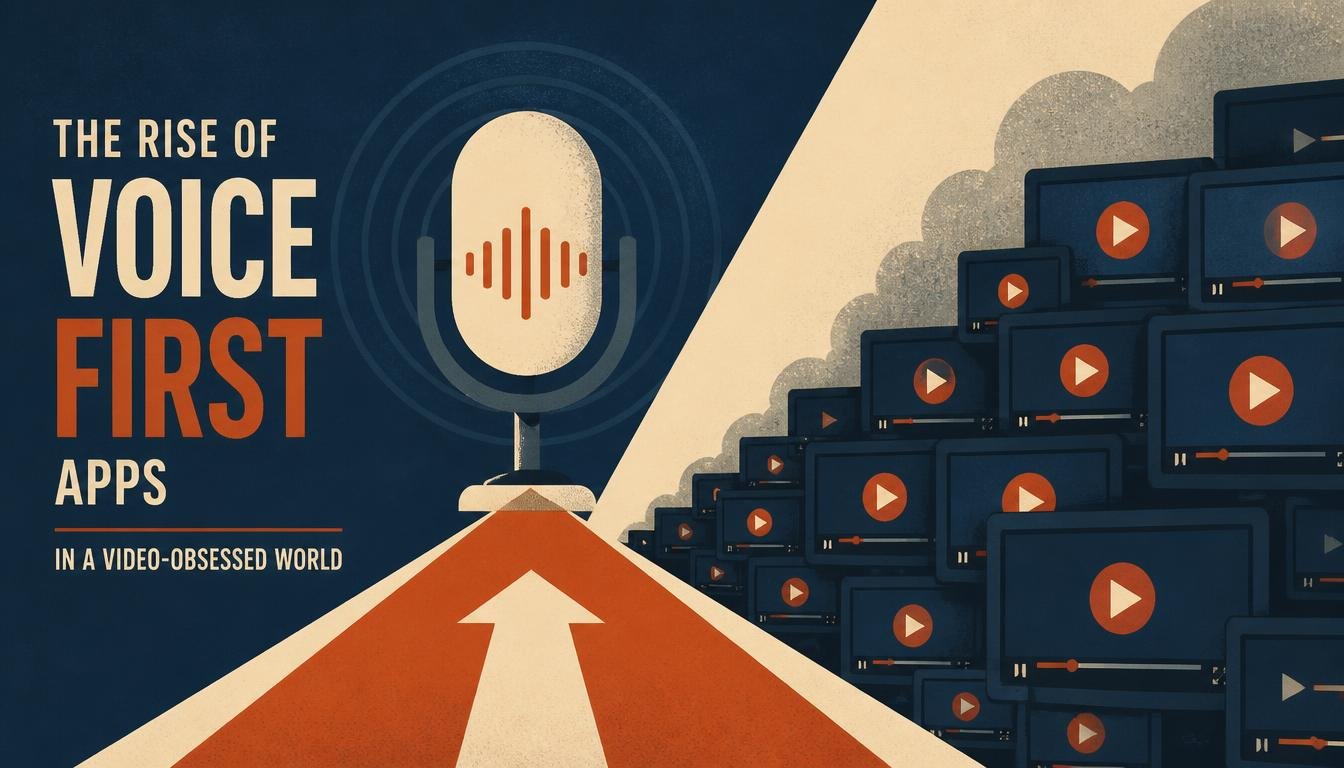
It's a strange twist: the generation that grew up with texting as its default language is now one of the biggest drivers behind the rise of voice-first apps. The people who mastered typing fast on a tiny keyboard are, increasingly, choosing not to.
Texting Fatigue Is Real
Text conversations take longer than they should. A single exchange that would take thirty seconds out loud can stretch across an hour of typing, waiting, and re-reading messages for tone. Add in the pressure of crafting the "right" reply, and a habit that was supposed to make communication easier starts to feel like a low-grade chore.
What Voice Adds Back
Tone of voice carries information text simply can't: sarcasm, hesitation, genuine excitement, the difference between a joke and a real complaint. None of that needs an emoji to translate correctly when you can just hear it. For a generation that's spent years decoding tone from punctuation and capital letters, that clarity is a relief rather than a novelty.
Low-Commitment, High-Presence
Voice-first platforms, including random voice chat, offer something texting doesn't: a conversation that starts and ends cleanly, without lingering unread messages or the guilt of a slow reply. You talk, then you're done — there's no thread sitting unanswered in your notifications for three days. Low communication it's can do high presentation
It's Not Anti-Text, It's Additive
This isn't really about abandoning texting — it still works well for quick logistics and asynchronous updates. It's about recognizing that some conversations, especially the ones that need real emotional nuance or simply feel better said out loud, are better suited to voice. Gen Z didn't reject text messaging; they just stopped treating it as the only option.
Frequently Asked Questions
Is voice-first communication only popular with younger users?
It's most visible among younger users first, since new communication habits usually start there, but the appeal of clearer, faster, tone-rich conversation isn't limited to any one age group.
Does this mean texting is disappearing?
No — texting remains useful for quick, asynchronous exchanges. The shift is toward using voice for conversations that benefit from tone and immediacy, alongside text rather than instead of it.
Every generation reshapes communication technology to fit what it actually needs, rather than what it was originally designed for. For a generation raised on text, the return to voice isn't a step backward — it's picking the right tool for conversations that were never meant to be typed out in the first place.